
Mounts, brackets and lights that stay where you put them

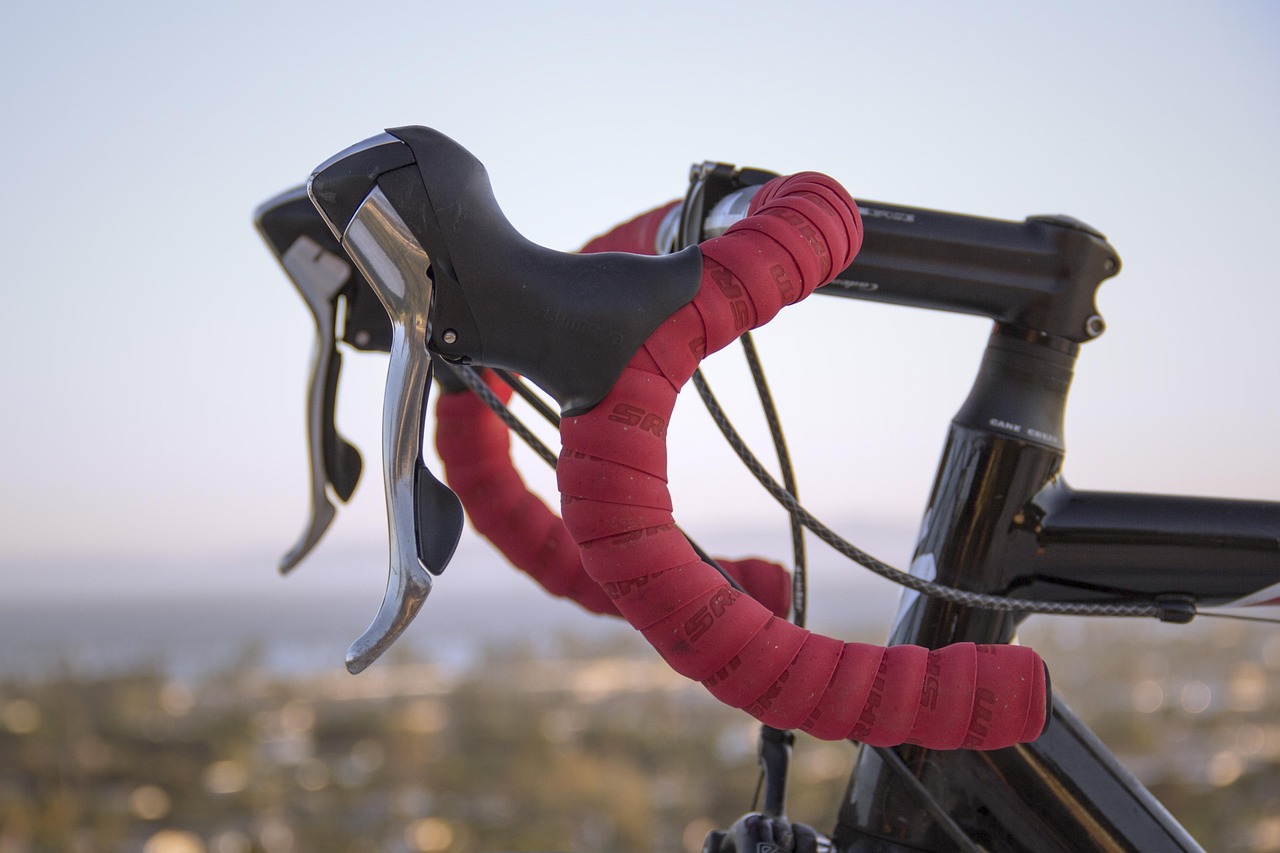
Mounts, brackets and lights that stay where you put them
Almost every light we replace was not broken. It fell off, or it rotated, or the mount cracked in the cold. The bracket is the part worth thinking about.
Bar diameter
Handlebars come in a few diameters and a mount sized for one will be loose on another.
- 25.4 mm — traditional and many flat bars
- 31.8 mm — the current standard at the clamp area on most drop bars
- 35 mm — increasingly common on mountain bars
Rubber strap mounts stretch across all of these, which is why they remain the most reliable general solution. Rigid clamps need shims, and a shim left out is a light that rotates.
Where there is no room
Modern bars carry a computer, a bell, brake levers and often a phone mount. Options when the bar is full:
- Out-front mount — puts the light ahead of the bar, clear of everything, and improves the beam by moving it forward of the front wheel.
- Fork crown or fork leg mount — low and clear, though a low beam creates longer shadows.
- Helmet mount — the beam follows your eyes, which is genuinely useful, and it is a secondary light rather than a primary one.
- Under-bar mount — some lights invert; check the beam is still shaped correctly upside down, as a cut-off beam inverted is thrown at the sky.
Aero seatposts
A round rear mount on an aero post will not clamp properly and will rotate under braking. Aero-specific mounts and wedge adapters exist. If your post is not round, check this before buying — it is the most common return we take.
Saddle rail and rack mounts
Useful when a saddlebag occupies the post. Check the light is not shadowed by the bag itself, and remember that a rack-mounted light sits low, where it is more easily hidden by a following car’s bonnet at close range.
Fitting so it stays
- Clean the bar or post first — road grime under a rubber strap is a slipping mount.
- Do not over-tighten a plastic clamp. Snug, then check by trying to rotate it by hand.
- On a carbon bar or post, use the manufacturer’s torque figure and carbon assembly paste, not brute force.
- Check after the first ride. Vibration seats everything, and what was tight is now not.
- Then check monthly.
Cold makes plastic brittle
The classic New England failure: a plastic clamp that has been fine for a year cracks in January when it is flexed at 15°F. If you ride through winter, prefer rubber straps and metal brackets to rigid plastic clips, and inspect for hairline cracks before each cold season.
Quick release and theft
A light you can remove in one movement is a light you will remove when you park. Tool-required mounts are more secure and less convenient, and they end up with the light left on the bike. For street parking, quick release plus taking the light with you is the arrangement that actually works.
Bring the bike in
Mounting is the part that is easiest to solve in person and hardest to solve by description. We are on Broadway on weekday afternoons; roll the bike in and we will fit it at the counter.
Fitting to carbon
Carbon bars and posts crush under point loads. Use the manufacturer’s torque figure, a torque wrench if you own one, and carbon assembly paste, which increases friction so a lower clamping force holds. Never tighten a plastic clamp on carbon by feel.
Rubber-strap mounts spread the load over a wider area and are the safer option on carbon generally.
Mudguards, racks and the space that is left
A commuter bike with mudguards and a rack has very little unclaimed real estate. Rear light options in that situation are the rack’s own light mount, a seat stay mount, or a light clipped to the mudguard. Check none of them are shadowed by the mudguard itself.
Front lights on a bike with a front rack often end up on the fork crown, which lowers the beam and lengthens shadows. Aim it slightly higher than you would from the bars to compensate.
Spares worth owning
Mounts break far more often than lights do, and a light without a mount is useless. When you buy a light, buy the spare mount at the same time — they are inexpensive and frequently discontinued before the light is.
A monthly check
Grip each light and try to rotate it. Anything that moves gets tightened. Look at the clamp for cracks, and at the strap for perishing. Two minutes a month, and it removes most of the ways a light ends up on the road.
Universal mounts and adapters
Several manufacturers use their own quarter-turn interface, and adapters exist that convert one to another — most usefully to the GoPro-style two-prong fitting, which is the closest thing to a standard.
An adapter adds a joint, and a joint is a place things loosen. Where the same effect can be had with a single-piece mount, prefer it, and keep the adapter for the case where nothing else will fit.