
Lighting for a New England winter: salt, cold and four o’clock dark

Lighting for a New England winter: salt, cold and four o’clock dark
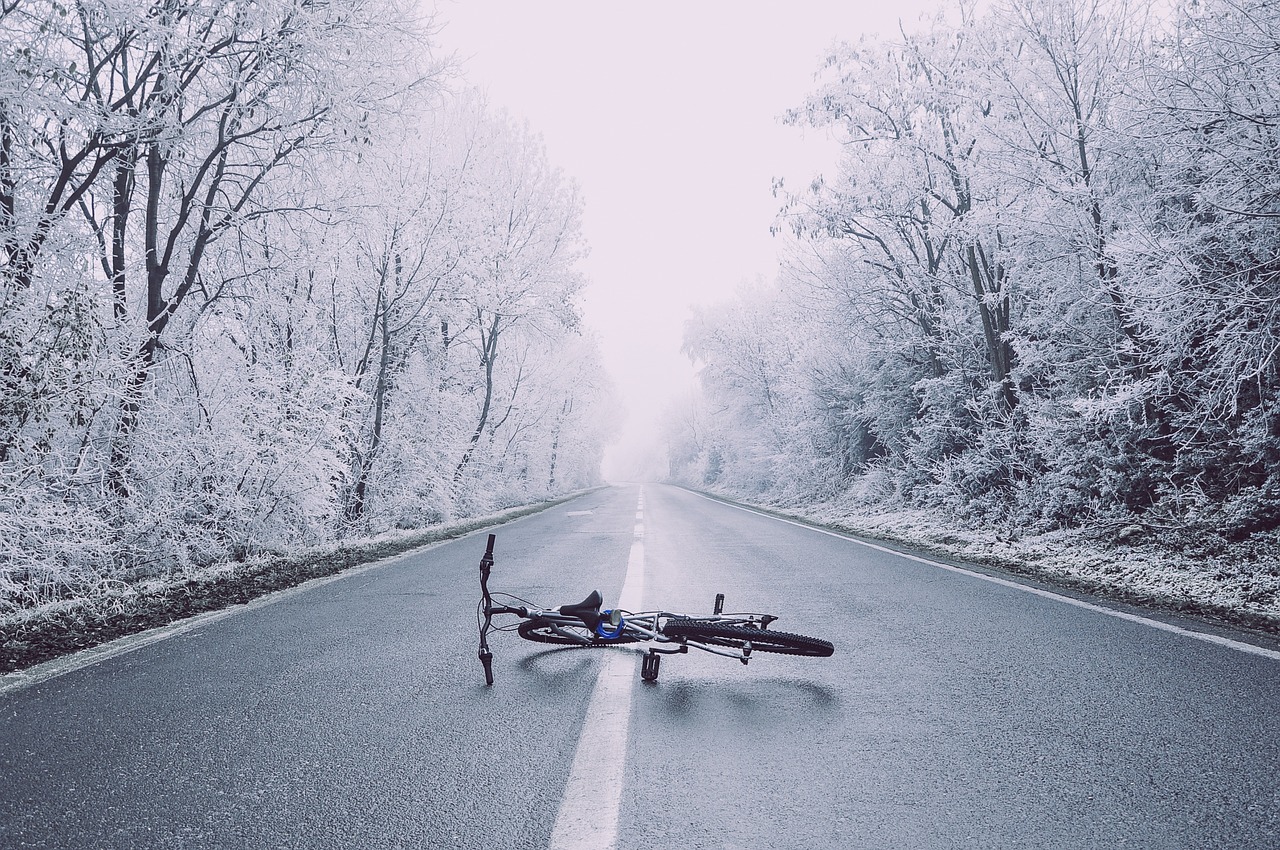
From early November until March, anyone commuting around Malden is riding home in the dark, often in wet salt spray at temperatures where battery capacity drops. Summer lighting arrangements do not carry over unchanged.
Cold and battery capacity
Lithium cells lose usable capacity as temperature falls — noticeably below about 40°F and substantially below 20°F. A light that gives three hours in September may give under two in January.
Practical responses:
- Charge fully before every ride, not when the indicator changes.
- Keep spare lights in an inside pocket rather than on the bike, where they stay warm.
- Choose a light with a real low mode rather than relying on the high setting.
- Assume roughly two thirds of the summer runtime and plan around that.
Salt
Road salt is corrosive and it gets everywhere. The parts that suffer are USB ports, mount clips and battery contacts.
- Rinse lights and mounts with clean water every week or two — not a pressure washer.
- Dry the charging port completely before plugging in. Salt plus current equals corrosion.
- Keep the port cover closed. It is the single most effective habit.
- A tiny smear of dielectric grease on the contacts of removable batteries prevents the green crust.
Wet reflectivity
Wet road surfaces reflect and scatter light, which makes it harder for drivers to pick out a small light among reflections from everything else. That argues for more separation between your lights: front on the bars, rear on the post, and something moving — ankle bands or spoke lights — to create a pattern that is unmistakably a bicycle.
Beam aim in winter
Aim lower than you would in summer. Potholes, ice patches and salt ridges are the hazards, and they are on the road immediately in front of you rather than at distance. A shaped beam with a cut-off is more valuable in the wet because it puts light on the surface without scattering into the spray.
Gloves and controls
A light with a small stiff button is unusable with winter gloves. Try the button with the gloves you actually wear before buying. The same applies to mounts you need to remove at the office — a mount that requires fine finger work in the cold will be left on the bike, and lights left on bikes go missing.
Redundancy
Two rear lights and two front is not excessive in winter. The failure mode is not dramatic — a light quietly runs out early because it was cold — and having a second means the ride home is not in the dark.
Visibility clothing
Lights are the priority, and a reflective band on the ankles adds side and rear visibility at pedal cadence for very little money. Reflective material on a moving limb is more noticeable than a much larger static panel.
Storage over the worst weeks
If the bike is off the road for a stretch, take the lights off, clean them, charge to about half and store them indoors. Lithium cells stored fully charged or fully flat for months degrade faster than cells stored around half.
Bring the gloves
Come in on a weekday afternoon with your winter gloves on and try the buttons and the mounts. It is a small thing that decides whether a light gets used from December onwards.
Charging routine when everything is USB
Front light, two rear lights, a phone and possibly a computer, all on USB. The arrangement that works is a single multi-port charger in one place at home with all the cables permanently plugged in, so charging is a matter of dropping the lights on the shelf rather than hunting for a cable.
Sunday night, everything on. It is the same advice as elsewhere on this blog because it is the habit that actually prevents failures.
Gloves and switches
A recessed rubber button that needs a fingernail is unusable in winter gloves. Before buying, operate every control with the gloves you actually wear. This one check eliminates more winter frustration than any specification on the box.
Mount materials in the cold
Plastic clips become brittle below freezing and fail without warning, usually on a pothole. Rubber straps stay flexible and are far more reliable through a New England winter, and they have the additional benefit of fitting any bar diameter.
Inspect every clip in November for hairline cracks and replace anything questionable before the cold sets in.
Dark by four
From late November the commute home is entirely in darkness, and it is worth adjusting expectations rather than equipment. Slower average speeds, more distance from parked cars, and a route chosen for lighting rather than for directness.
Equipment helps. Route choice helps more, and it costs nothing.
Keeping the bike visible when it is parked
A bike left at a rack in the dark is also a bike a driver can reverse into. A small always-on reflector or a low-power light left running while parked costs nothing and has saved more than one rear wheel.
The same applies to a bike carried on a car rack after dark: check your lights are not obscured, and add a light board if they are.